
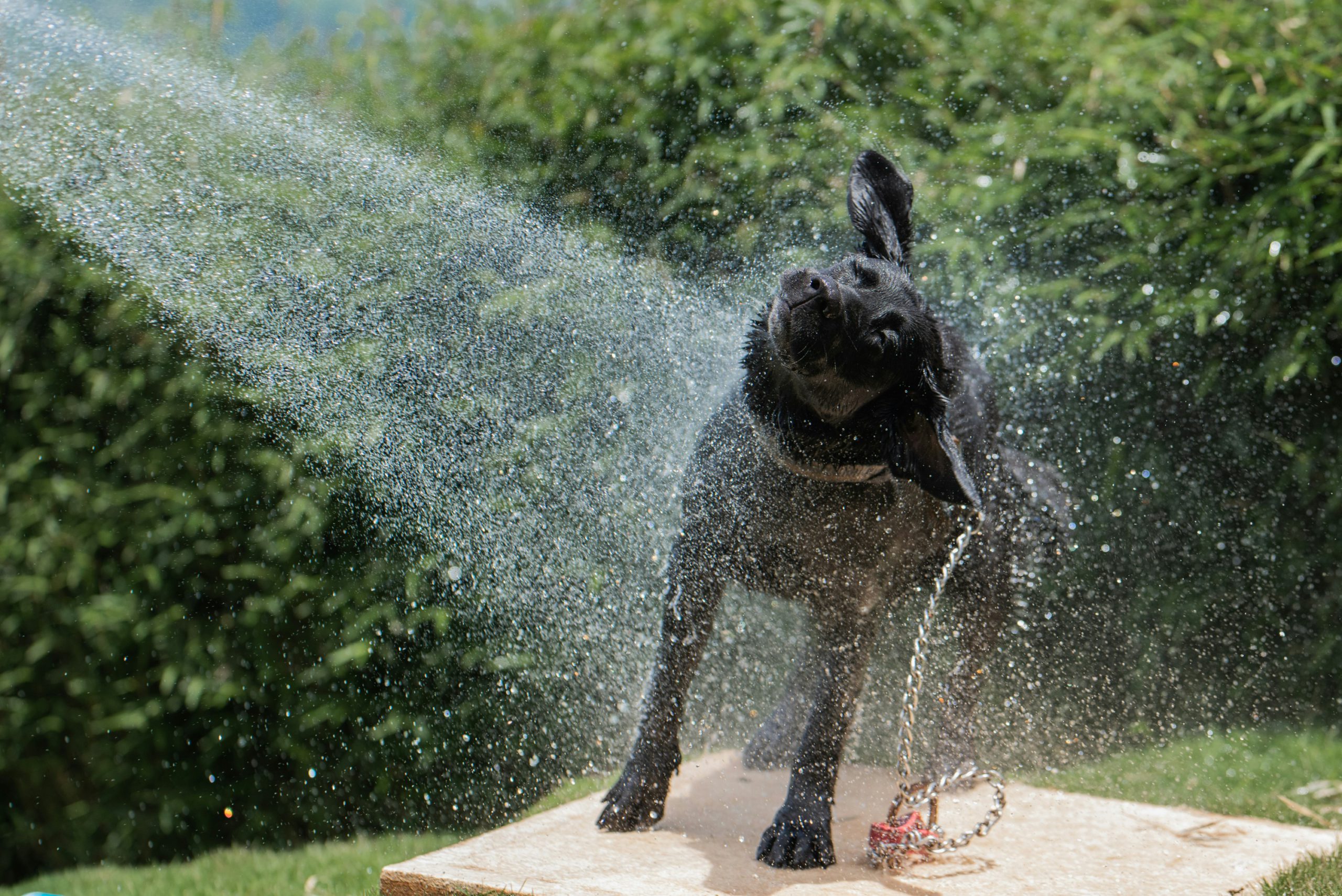
As temperatures rise, it’s important for pet owners to recognize that dogs and cats are more vulnerable to heat than humans. Unlike people, pets have limited ways to cool themselves, which makes them susceptible to heat stress, heat exhaustion, and even life-threatening heatstroke. With a few simple precautions, you can help keep your furry companions safe, comfortable, and healthy all summer long.
Why Heat Is Dangerous for Pets
Dogs primarily cool off by panting, while cats rely on grooming and limited sweating through their paw pads. In hot or humid conditions, these methods may not be enough. Certain pets are at even greater risk, including brachycephalic (short-nosed) breeds like Bulldogs and Persians, senior pets, overweight animals, and those with underlying health conditions.
Never Leave Pets in a Parked Car
Even on a mild day, temperatures inside a parked car can climb rapidly to dangerous levels within minutes—even with the windows cracked. Leaving a pet unattended in a vehicle can quickly become fatal. When in doubt, leave your pet safely at home.
Provide Plenty of Fresh Water and Shade
Hydration is critical during warm weather. Make sure your pet always has access to clean, fresh water, whether indoors or outside. If your pet spends time outdoors, ensure there is adequate shade available throughout the day, as the sun shifts and shaded areas can disappear.
Exercise Safely
Limit outdoor activities to the cooler parts of the day, such as early morning or late evening. Hot pavement can burn sensitive paw pads—if it’s too hot for your hand, it’s too hot for their feet. Consider walking on grass or using protective booties if necessary.
Watch for Signs of Heatstroke
Early recognition can save your pet’s life. Signs of heatstroke include excessive panting, drooling, lethargy, vomiting, diarrhea, unsteadiness, and collapse. Cats may show more subtle signs, such as restlessness or rapid breathing. If you suspect heatstroke, move your pet to a cool area immediately, offer small amounts of water, and contact your veterinarian right away.
Keep Indoor Environments Comfortable
Ensure your home is well-ventilated and, if possible, air-conditioned. Fans can help, but they are less effective for pets than for humans. Cooling mats, damp towels, or access to cool tile floors can provide additional relief.
Grooming Matters
Regular grooming helps remove excess fur and improves air circulation near the skin. However, avoid shaving double-coated breeds unless advised by your veterinarian, as their coats also provide insulation against heat.
Travel and Outdoor Adventures
If you plan to travel or spend time outdoors with your pet, bring water, portable bowls, and plan for frequent breaks in shaded or cool areas. Never tie your pet up outside in the heat where they cannot move to shade or access water.
When in Doubt, Call Your Veterinarian
If you have any concerns about your pet’s safety in hot weather, don’t hesitate to reach out. Preventing heat-related illness is always easier than treating it.
By staying aware and taking proactive steps, you can ensure your pets enjoy a safe and happy summer season.